Virgin Islands National Park in USA - map, photos and visitor information
PDF
Virgin Islands National Park protects beaches, forest trails, and coastal waters on St. John in the US Virgin Islands. A visit can combine snorkeling with walks to plantation ruins and Indigenous rock carvings. Plan the ferry journey and local transport first: reaching St. John is different from arriving at a mainland park entrance.
Photos of Virgin Islands National Park


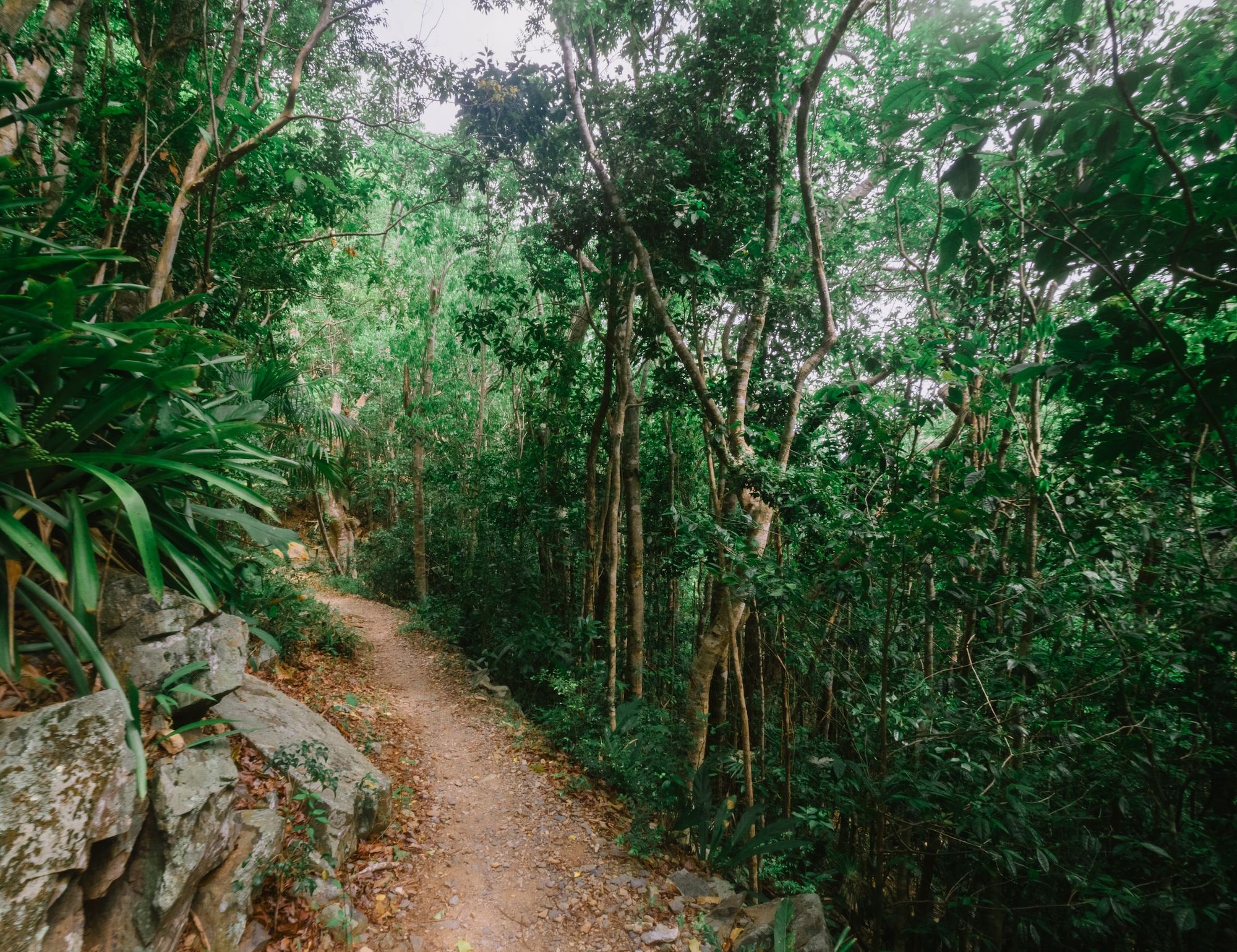
Highlights on St. John
- Trunk Bay: a beach with an underwater snorkel trail and developed visitor facilities.
- Cinnamon Bay: combine beach time with a short walk through historic ruins or a reserved overnight stay.
- Reef Bay Trail: explore forest and cultural sites on a strenuous route below Centerline Road.
- Francis Bay: use the boardwalk toward the salt pond for a quieter bird-watching outing.
Plan a beach and trail visit
Fees, hours, and seasonal access
| Topic | Details |
|---|---|
| Entrance fees | There is no general park entrance fee. Trunk Bay charges a USD 5 amenity fee per person age 16 or older, from sunrise to sunset, with card or mobile payment. Overnight moorings cost USD 26, subject to applicable pass discounts. These charges are separate from arriving by road. Check the official fee details. |
| Opening hours | The park is open 24 hours a day throughout the year. Published Cruz Bay Visitor Center hours are Monday–Thursday, 8:15 a.m.–4 p.m., and Friday, 8:15 a.m.–1:30 p.m. It closes on Thanksgiving, December 25, and July 4. Confirm the center's schedule before a special trip. |
| Seasonal access and closures | Winter swells can make north-shore beaches hazardous. Tropical storms can disrupt travel and services. Campground and concession schedules differ from park hours. Check park conditions, posted beach warnings, and ferry operations before setting out. |
Ocean conditions and tropical trail safety
Red flags indicate dangerous surf and rip currents. Do not assume clear-looking water is safe, and do not rely on lifeguards at Trunk Bay or Cinnamon Bay: none are on duty. Choose an activity that matches both the conditions and your ability.
Look without touching underwater. Corals and other marine animals can be fragile, sharp, or capable of stinging. Keep fins clear of the reef and use sandy areas if you need to stand. Carry drinking water, sun protection, and sturdy footwear for trails. Many routes are rocky, and phone coverage is limited.
Protect reefs and historic places
Leave marine life, plants, and artifacts undisturbed. Do not climb historic walls or ruins. Stay on trails and respect private land along the park boundary. Keep food and trash away from animals, including the donkeys that roam parts of the island.
Dogs may use trails on a leash no longer than 6 feet, but pets cannot go onto park beaches. Plan a trail outing with that beach restriction in mind, and collect all pet waste.
Camping and overnight moorings
Camping is allowed only by reservation at designated locations in Cinnamon Bay Beach and Campground. The NPS-linked campground operator offers bare tent sites, furnished eco-tents, and cottages. Confirm operating dates, accommodation access, and cancellation terms before booking.
Overnight mooring fees must be paid before the stay, one night at a time. Stays are limited to seven nights per bay and 30 nights per year. Review the applicable marine-use rules for your vessel rather than treating an available buoy as permission for every type of boat.
Getting to St. John and moving around the park
St. John has no airport. The usual approach is to fly to Cyril E. King Airport on St. Thomas and continue to St. John by passenger ferry or vehicle barge. Check the operator's current schedule when planning arrival and return connections.
Cruz Bay Visitor Center is a short walk north from the public ferry dock. On the island, North Shore Road, Route 20, serves beaches including Hawksnest, Trunk Bay, and Cinnamon Bay. Centerline Road, Route 10, connects inland routes and access toward the southeastern bays.
Drive on the left. Roads are narrow, steep, and winding. Parking at beaches and trailheads is limited. Use designated spaces, consider a taxi, and arrange a return pickup before being dropped off where phone service may fail. The official maps page includes marine-use mapping and visitor-center parking information.
Nearby parks and monuments
- Virgin Islands Coral Reef National Monument: Around St. John; its Hurricane Hole land approach follows Route 10 from Cruz Bay toward Estate Hermitage.
- Buck Island Reef National Monument: Plan a separate journey to St. Croix, followed by a boat trip from the Christiansted area. There is no inter-island road connection.
Snorkeling, forest walks, and cultural sites
Choose snorkeling locations according to the day's swell and visibility. Trunk Bay's underwater trail provides a structured place to explore marine life when conditions allow. Beach equipment rentals and other services may stop during hazardous surf.
For a shorter land outing, the Cinnamon Bay historic area has an accessible boardwalk. Francis Bay's boardwalk leads toward a salt pond used by birds. These offer alternatives to a long, steep hike, though storm damage can affect access.
Reef Bay is a more demanding trip. The NPS description gives about 3 miles each way when visiting the waterfall and petroglyphs, with roughly 900 feet of climbing on the return. Expect rough, sometimes slippery ground. Do not plan around a boat return unless you have confirmed a specific guided trip that includes it.
Beach services, overnight stays, and accessibility
Trunk Bay has restrooms, showers, a foot rinse, equipment rentals, and food service. Published facility hours are 8 a.m.–4 p.m.; food and rental schedules can differ. Cinnamon Bay provides food service, a general store that sells drinking water, rentals, and overnight accommodation.
Cinnamon Bay's shared bathhouses include flush toilets and showers, with accessible toilet and shower facilities. Ask the operator about an accessible accommodation before reserving. Bring enough drinking water for walks instead of expecting supplies along a trail.
Cruz Bay Visitor Center has an accessible entrance, parking, and restrooms. NPS also identifies access features at Trunk Bay and Hawksnest, and accessible paths at Cinnamon Bay, Francis Bay, and Annaberg. Beach ramps can wash out during storms or high swells. Consult the specific accessibility information before relying on a route.
About Virgin Islands National Park
Indigenous history and the plantation landscape
People have lived on St. John for more than 3,000 years. Taíno rock carvings and later plantation remains tell different parts of that history. Sugar production under Danish colonial rule depended on enslaved labor. Explore these sites as evidence of people's lives and work, as well as places within a coastal landscape.
Reef habitats, birds, and bats
Fish, corals, sponges, and other marine organisms inhabit park waters. On land, bats are native mammals with roles in pollination, seed dispersal, or insect feeding. Animals such as donkeys and mongooses were introduced. Observe all wildlife without feeding or handling it.
Contact Virgin Islands National Park
Call 340-776-6201 for park information. The mailing address is 1300 Cruz Bay Creek, St. John, VI 00830. The official contact page provides reporting and email options. For an emergency, the park lists 911 and 340-776-9110.
Average weather in Virgin Islands National Park
 Temp max |
 Temp min |
 Rain |
 Snow |
|
|---|---|---|---|---|
| Jan | 26 °C | 25 °C | 22 mm | 0 mm |
| Feb | 25 °C | 24 °C | 24 mm | 0 mm |
| Mar | 25 °C | 24 °C | 27 mm | 0 mm |
| Apr | 26 °C | 25 °C | 35 mm | 0 mm |
| May | 27 °C | 25 °C | 66 mm | 0 mm |
| Jun | 27 °C | 26 °C | 42 mm | 0 mm |
| Jul | 28 °C | 26 °C | 77 mm | 0 mm |
| Aug | 28 °C | 27 °C | 97 mm | 0 mm |
| Sep | 28 °C | 27 °C | 128 mm | 0 mm |
| Oct | 28 °C | 27 °C | 116 mm | 0 mm |
| Nov | 27 °C | 26 °C | 118 mm | 0 mm |
| Dec | 27 °C | 25 °C | 42 mm | 0 mm |
Other parks nearby

User Reviews
Share your experience! Your honest feedback helps others make informed decisions.
Login to add new review