Highlights of Yosemite
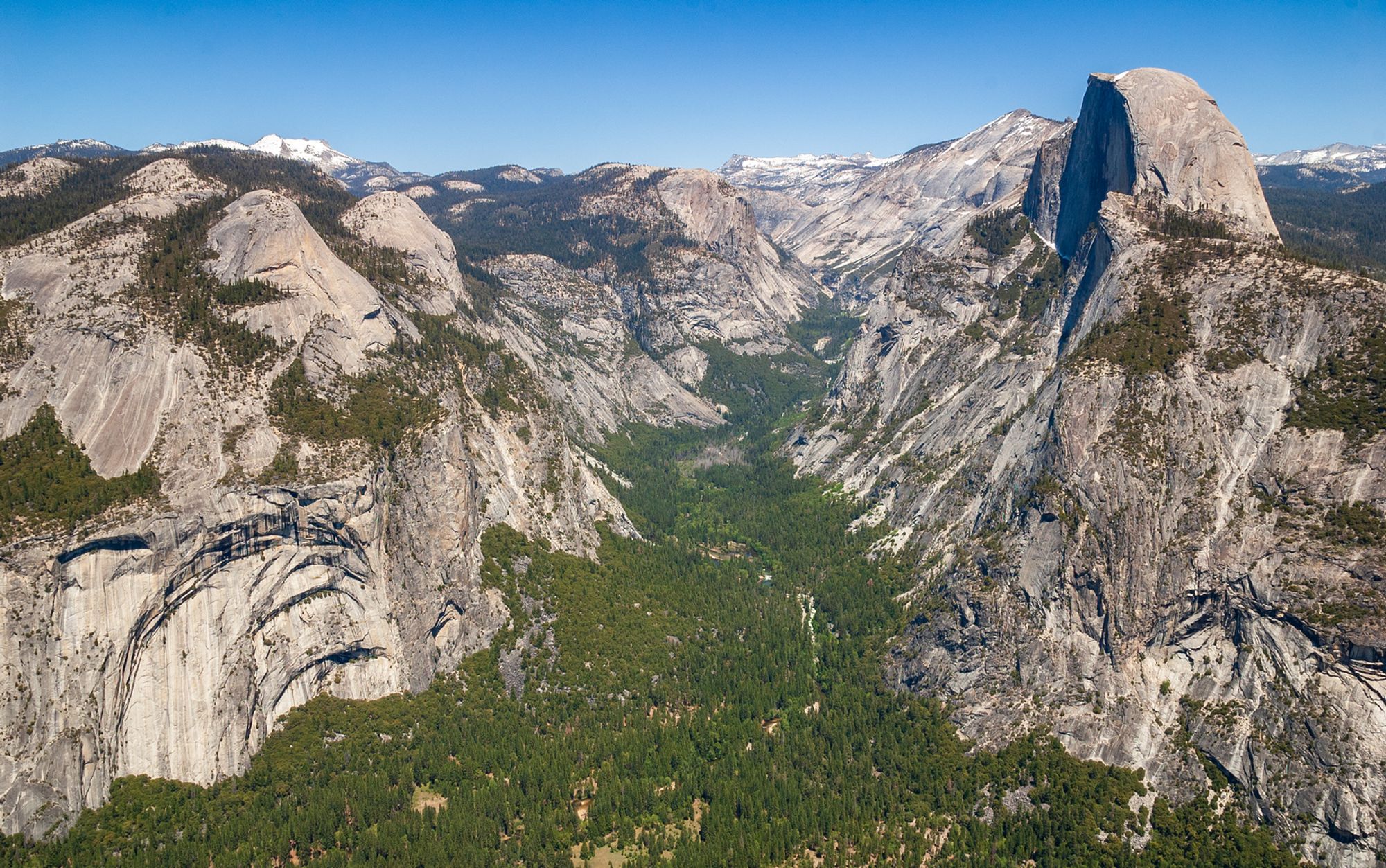
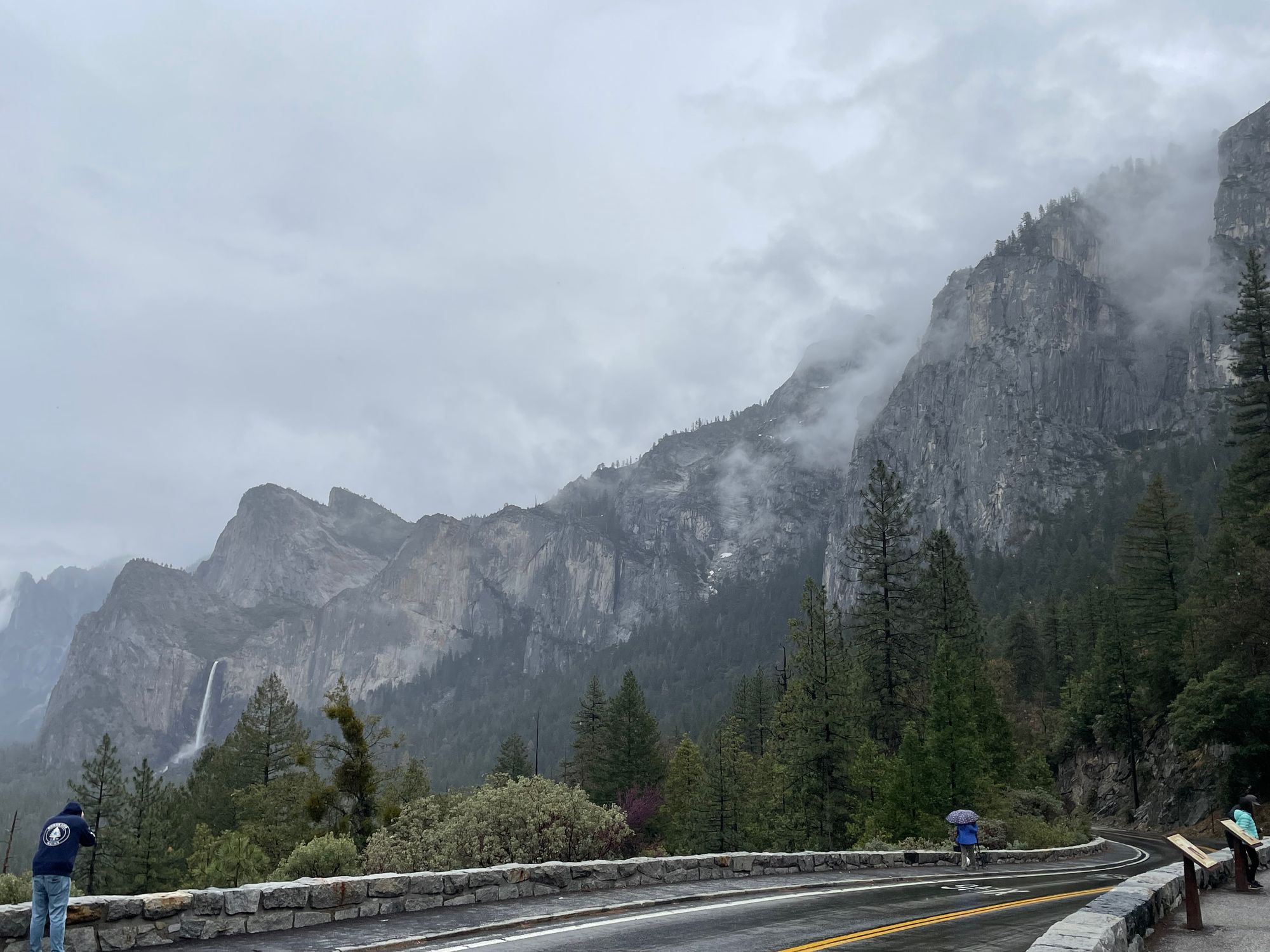
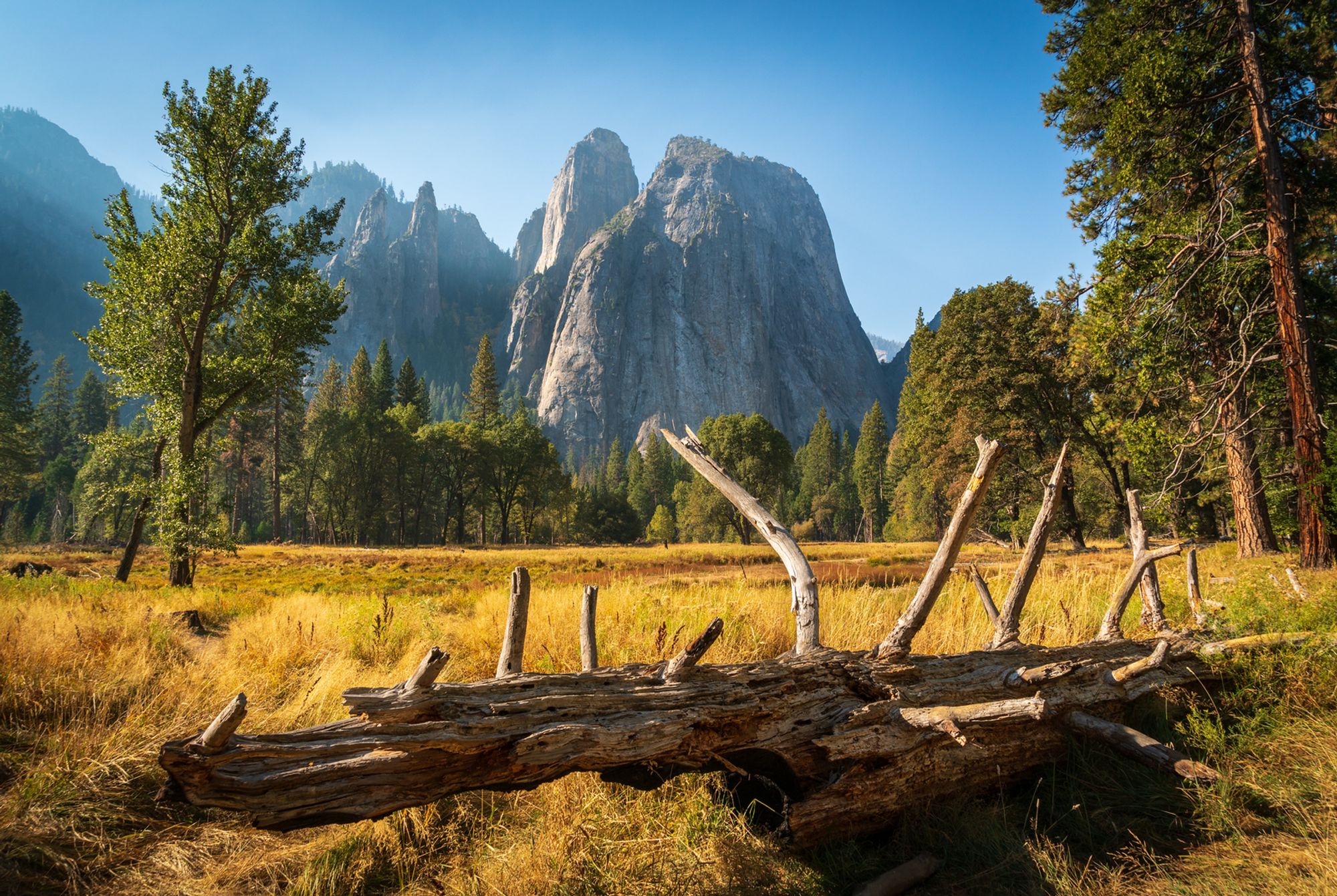
- Yosemite Valley: See El Capitan and the valley's steep walls from below. Tunnel View gives a broader perspective on the landscape.
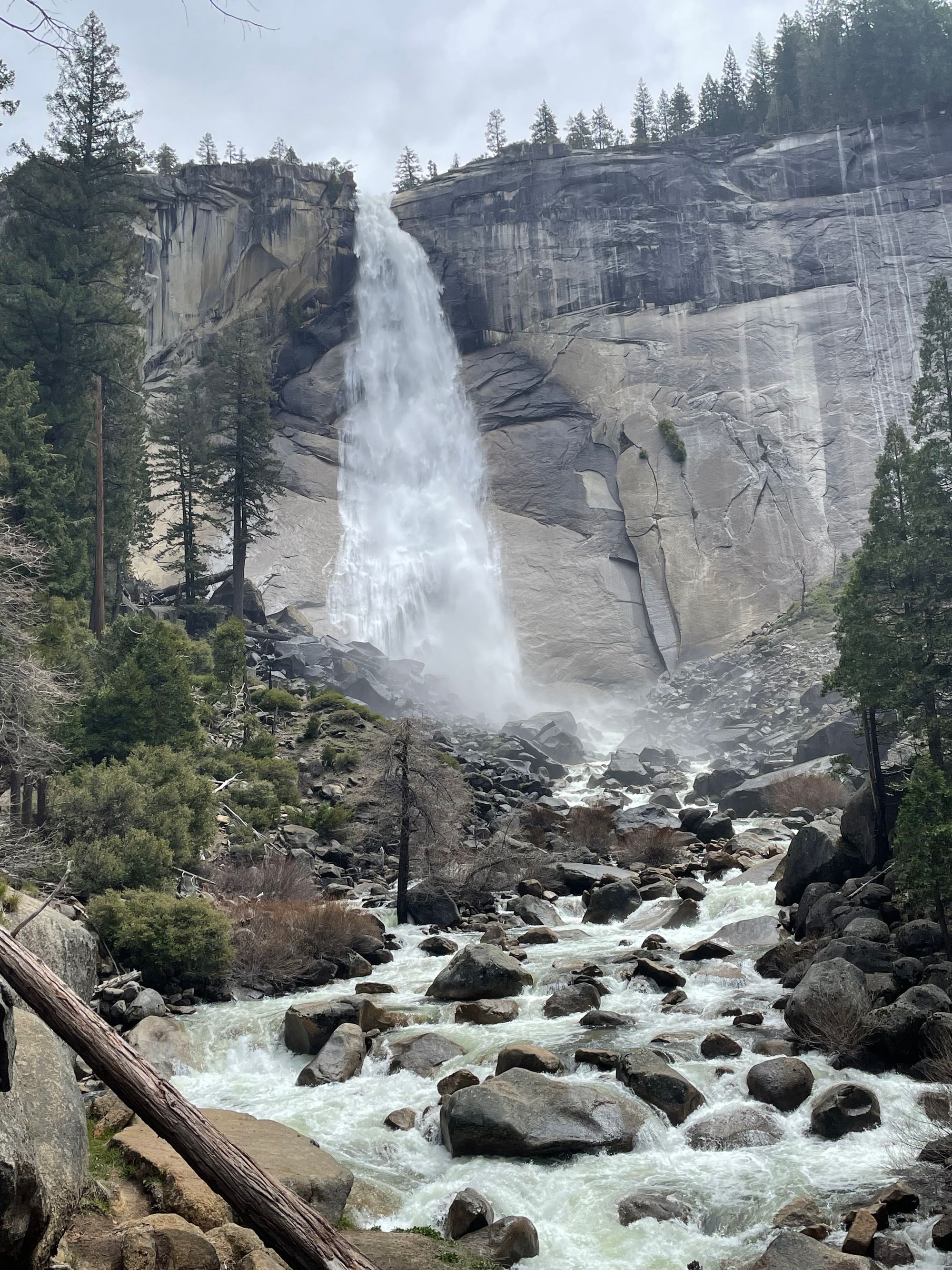
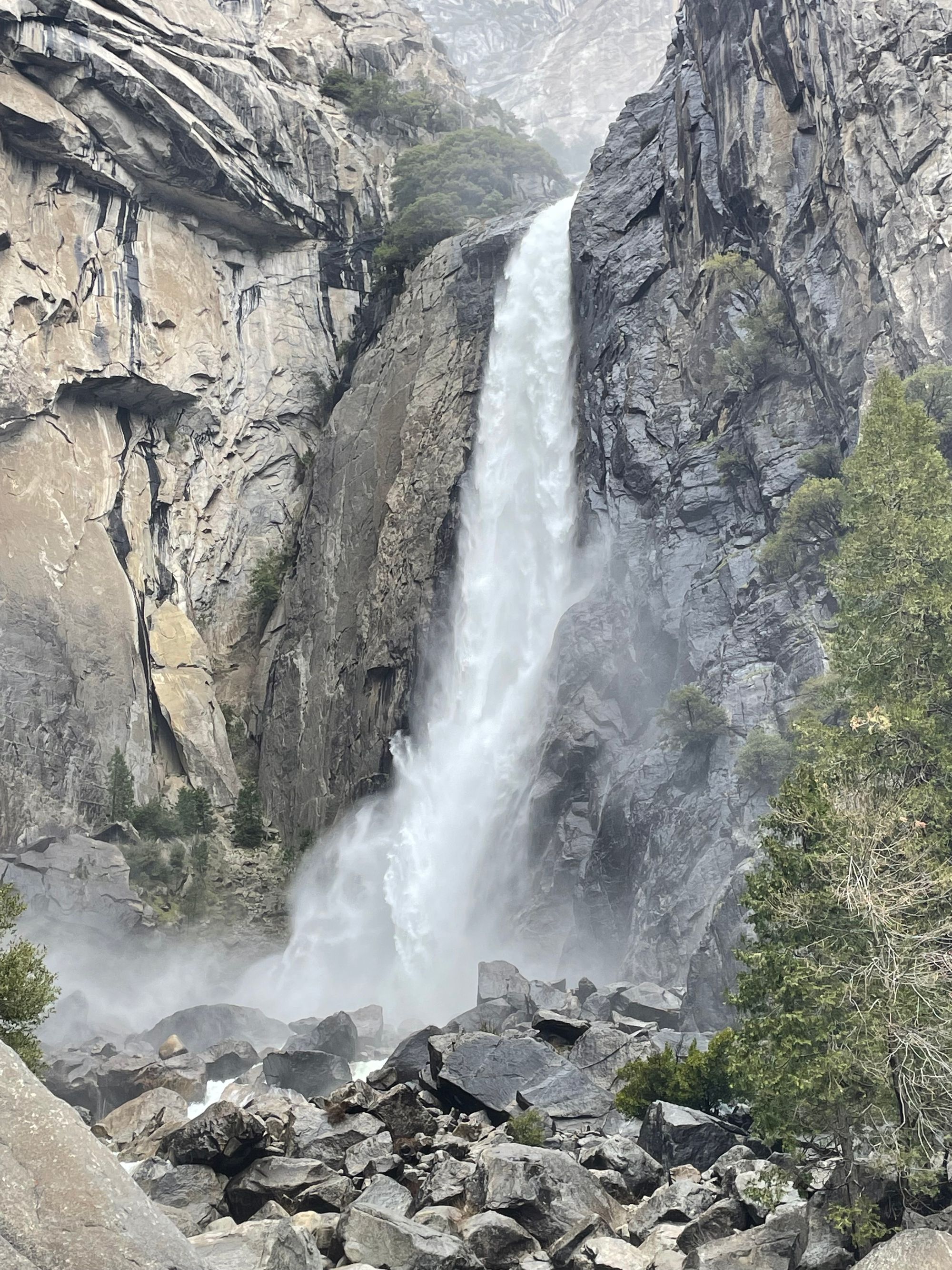
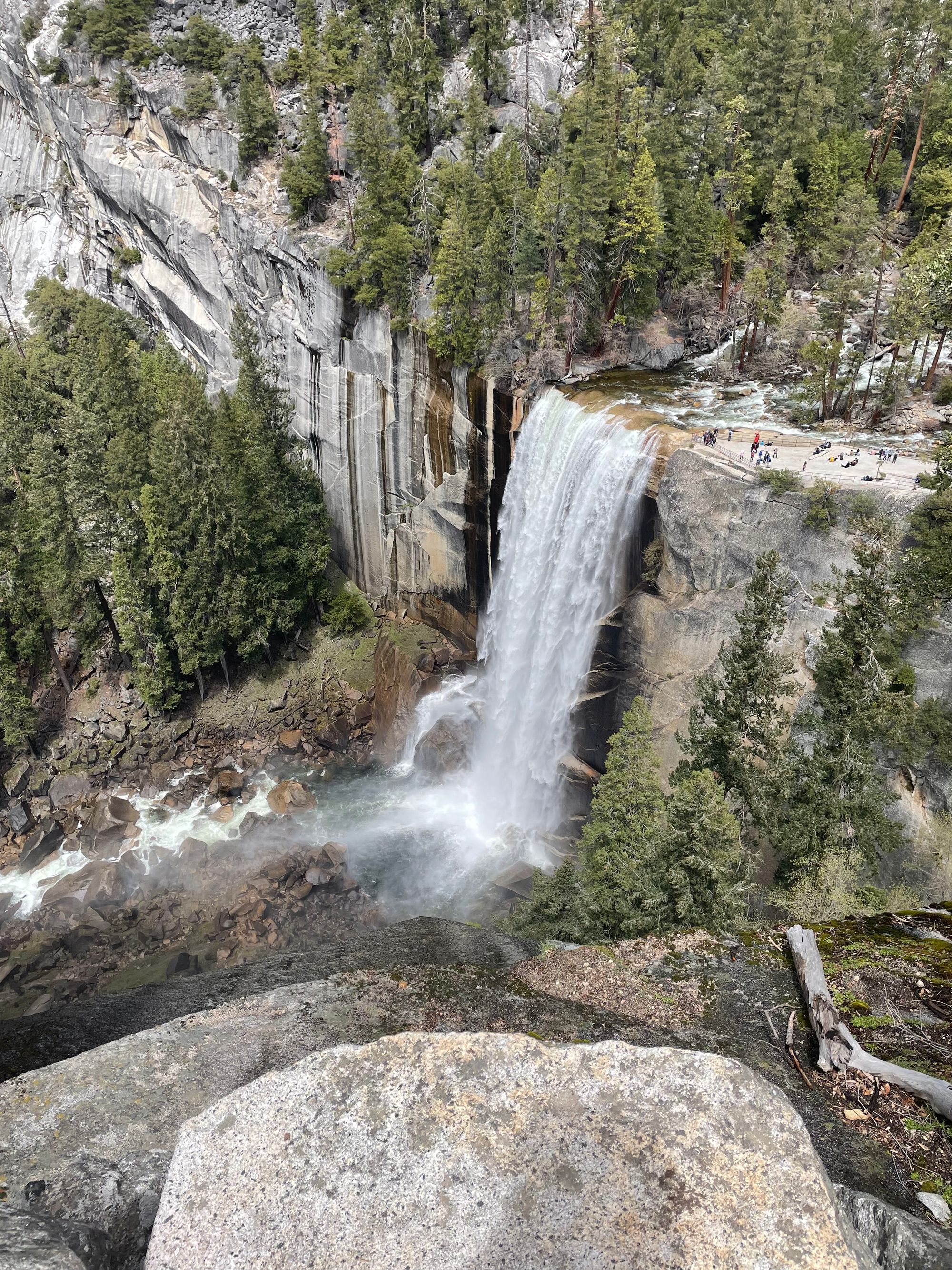
- Yosemite Falls: Spring and early summer bring the strongest flow. By late summer or fall, the waterfall can be dry.
- Mariposa Grove: Walk among more than 500 mature giant sequoias in the southern part of the park.
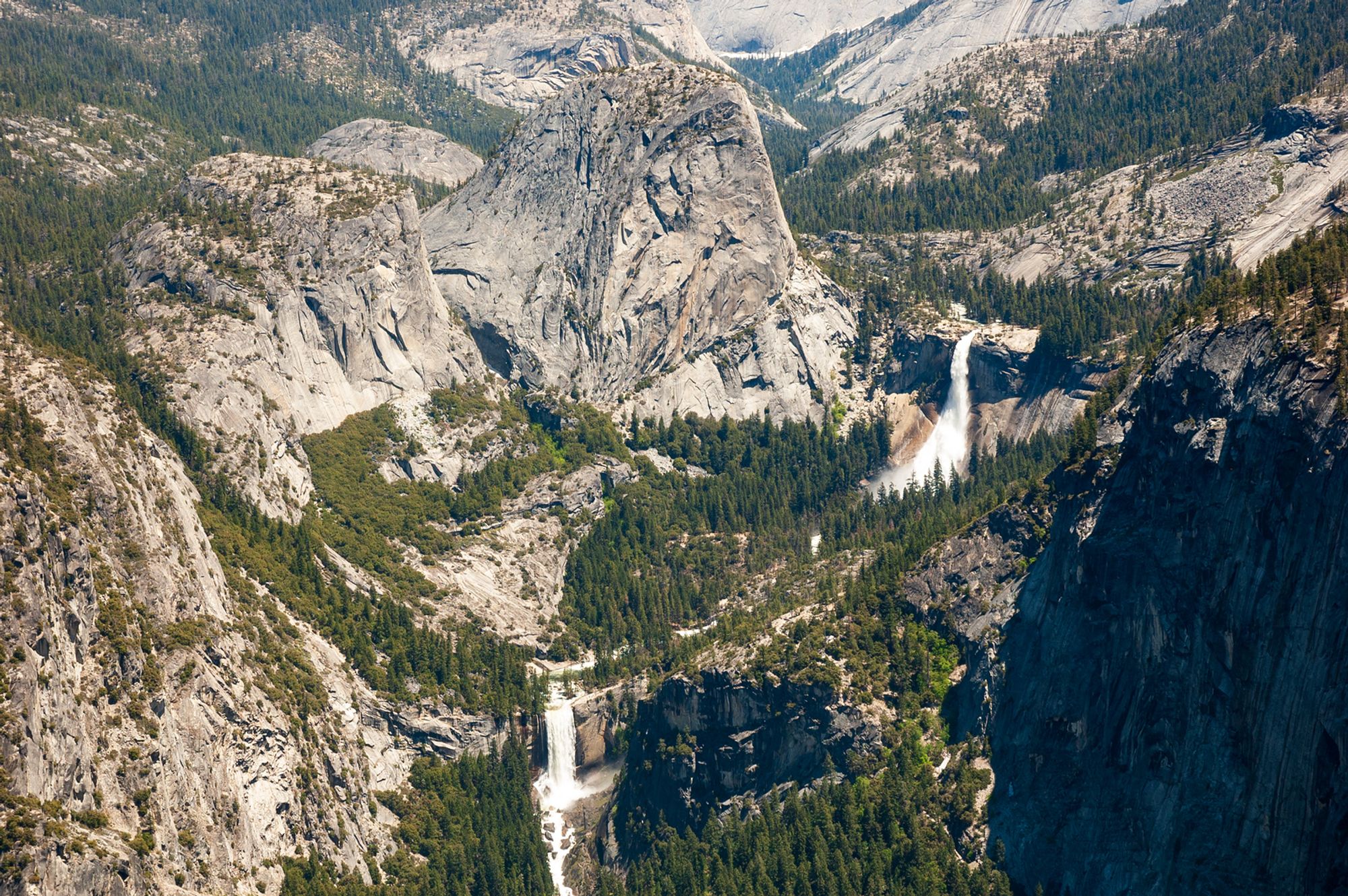
- Glacier Point: Look across Yosemite Valley toward Half Dome from a high overlook with a short paved approach.
- Tuolumne Meadows: Follow the seasonal Tioga Road into a landscape of open meadow, river, and granite domes.
Know before you go
Fees, hours, and seasonal access
| Topic | Details |
|---|---|
| Entrance fees | Standard admission is USD 35 per private, noncommercial vehicle with 15 or fewer seats, USD 30 for motorcycle admission, or USD 20 per person entering on foot or bicycle at age 16 or older. These passes last seven consecutive days. Non-US residents aged 16 or older pay an additional USD 100 each unless covered by a qualifying pass. The nonresident annual pass costs USD 250. The park accepts cards and mobile payments, not cash. Review the official fees and pass rules before choosing a pass. |
| Opening hours | The park generally opens 24 hours a day, year-round. Hetch Hetchy Road operates from sunrise to sunset, and day visitors must leave that area by sunset. Visitor facilities have separate hours. |
| Seasonal access and closures | Tioga Road usually opens in late May or June and closes in October or November. Glacier Point Road also closes for winter. Snow can bring earlier or temporary closures, and tire chains can be required on roads that remain open. The seasonal overnight-parking ban along Tioga Road and Glacier Point Road, including their parking lots, starts October 15, 2026. |
| Trail work and fire restrictions | Repair work limits part of the Mist Trail through October 2026. Fire closures affect parts of the area between Wawona Road, Glacier Point Road, and Wawona. Check the current road, trail, and fire notices for the exact boundaries, permitted access times, and detours before setting out. |
Safety around water, cliffs, and wildlife
Stay away from fast water and slippery riverbanks. Never swim or wade above a waterfall, even where the water looks shallow. Keep children close near streams and overlooks. Rockfall can occur below cliffs, and thunderstorms can develop during summer afternoons. Watch changing conditions and follow closures.
Keep at least 50 yards (46 m) from bears outside developed areas. If a bear approaches you or enters a developed area, NPS advises loud, aggressive yelling to drive it away. Never feed wildlife. For an emergency, call or text 911.
Food storage is part of every Yosemite visit. After dark, remove food and scented items from cars and trucks and use a food locker. Use campsite lockers for food, toiletries, and trash, and keep them latched. Keep food out of tents. Overnight wilderness travelers must use an approved bear-resistant food container.
Visit responsibly
Use established routes through meadows. Leave plants and historic objects where you find them, and put waste in the designated animal-resistant bins. Do not launch, land, or operate drones from NPS-managed land or water in the park.
Pets can use many fully paved paths and developed areas unless signs prohibit them. Keep them attended and on a leash no longer than 6 feet (1.8 m), and collect their waste. Most hiking trails, meadows, waterways, and shuttle buses are off-limits to pets. A paved surface does not override a posted restriction. Service animals follow separate rules.
Reservations and permits
A timed entry reservation is not required to enter Yosemite in 2026. That does not reserve parking, a campsite, or a place to stay. Confirm the entry policy for your travel year.
- Campgrounds: Yosemite's campgrounds use reservations from April through October; Upper Pines requires them year-round. Release windows vary. Upper Pines, Lower Pines, North Pines, Wawona, and Hodgdon Meadow generally release sites five months ahead on the 15th, at 7 a.m. Pacific time. Use the NPS campground booking guide to select the correct window and reach Recreation.gov. Sleeping in a vehicle is allowed only in a campsite where you are registered.
- Lodging: Yosemite Hospitality manages the park's main lodging. Reservations open up to 366 days ahead. Book early for spring through fall and holiday visits.
- Backpacking: Overnight stays in Yosemite Wilderness require a wilderness permit throughout the year. In the reservation season, 60% of each trailhead quota enters the lottery 24 weeks ahead, and the remaining 40% becomes available seven days ahead.
- Half Dome: A permit is required whenever the cables are up. Day-hike permits use a March preseason lottery and daily lotteries during the season. Read the Half Dome permit instructions before applying. Backpackers follow the wilderness-permit process for trips starting in Yosemite.
Maps, location, and access
Yosemite lies in California's Sierra Nevada. From the west, Highway 120 approaches from Manteca and Highway 140 from Merced. Highway 41 approaches from Fresno to the south. From the east, Highway 120 climbs from Lee Vining to Tioga Pass; that crossing depends on Tioga Road being open.
Select an entrance and a destination within the park, rather than navigating to a general Yosemite pin. NPS warns that GPS directions can be wrong here. Use the official Yosemite maps to connect your approach road with your lodging or trailhead. Download maps before arrival because cellular coverage is limited.
YARTS provides bus connections into Yosemite Valley. Within the valley, the free shuttle serves many trailheads. On busy days, arrive before 9 a.m. to improve your chance of parking, then leave the car parked and walk or use the shuttle. The valley shuttle does not provide regular service to Glacier Point.
Nearby parks
- Wassama Round House State Historic Park: Near Oakhurst off Highway 49, this park is a stop to consider when using Yosemite's southern approach; call ahead to confirm visiting hours.
- Columbia State Historic Park: North of Sonora off Highway 49, this park offers another stop in the foothills when approaching Yosemite from the west.
Choose a walk or explore another park area
For a shorter outing, the Lower Yosemite Fall loop covers 1 mile (1.6 km) with about 50 feet (15 m) of climbing. Stay on the paved route near the waterfall; scrambling onto the surrounding rocks is dangerous. Cook's Meadow offers another 1-mile (1.6 km) loop on flat terrain.
The Four Mile Trail is a much larger undertaking: it climbs 3,200 feet (975 m) over 4.8 miles (7.7 km) one way toward Glacier Point. Its name understates the distance. Plan the return journey as carefully as the ascent. Mist Trail outings also require checking the work restrictions in the access table before choosing a route.
At Mariposa Grove, use the free seasonal shuttle from the Welcome Plaza when it operates. Private vehicles generally cannot use the grove road unless they display a disability placard. When the shuttle is unavailable, reaching the grove adds a 2-mile (3.2 km) walk each way before the trails within it.
For views with less walking, consider Glacier Point when its road is open. Its short paved approach is wheelchair accessible. Tioga Road gives access to a different mountain setting around Tuolumne Meadows and Tenaya Lake. Do not assume that food and water services will be available just because the road is open.
Facilities and accessibility
- Visitor information: The Yosemite Valley Welcome Center sits near Yosemite Village Parking and the Village Store. It has an information desk, exhibits, and a bookstore. The Yosemite Exploration Center presents the park's geology, wildlife, history, and climbing story.
- Restrooms and drinking water: Picnic areas generally have toilets. Lower Yosemite Fall and Church Bowl have drinking water and flush toilets; most other picnic areas do not supply drinking water. Bring water for your planned route.
- Parking: Main valley parking areas include Yosemite Village, Curry Village, and Yosemite Falls. Space can fill early. Admission does not guarantee a parking place.
- Overnight facilities: The Ahwahnee and Yosemite Valley Lodge operate year-round. Curry Village has seasonal cabins and tent cabins. Wawona Hotel is listed as closed; confirm any property's operating status before building a trip around it.
- Accessibility: The free Valley shuttle is accessible. The eastern branch of the Lower Yosemite Fall loop is wheelchair accessible when snow and ice do not cover it. Confirm route conditions and the facilities you need with park staff.
- Fuel: Gasoline is available at Wawona, Crane Flat, and El Portal. There is no gasoline station in Yosemite Valley.
About the park
Yosemite's cliffs began as rock formed far below the surface. Later uplift and erosion exposed the granite, and glaciers widened and deepened valleys that rivers had already cut. The combination helps explain the broad valley floors and steep walls visible today.
People and protection
Indigenous people lived in and shaped this landscape for thousands of years before national park designation. The gold rush brought violent conflict and forced displacement of Native communities. Their descendants maintain connections to Yosemite today.
The 1864 Yosemite Grant placed Yosemite Valley and Mariposa Grove under California's protection. Congress established Yosemite National Park on October 1, 1890. The valley and grove became part of the national park in 1906.
Wildlife and habitats
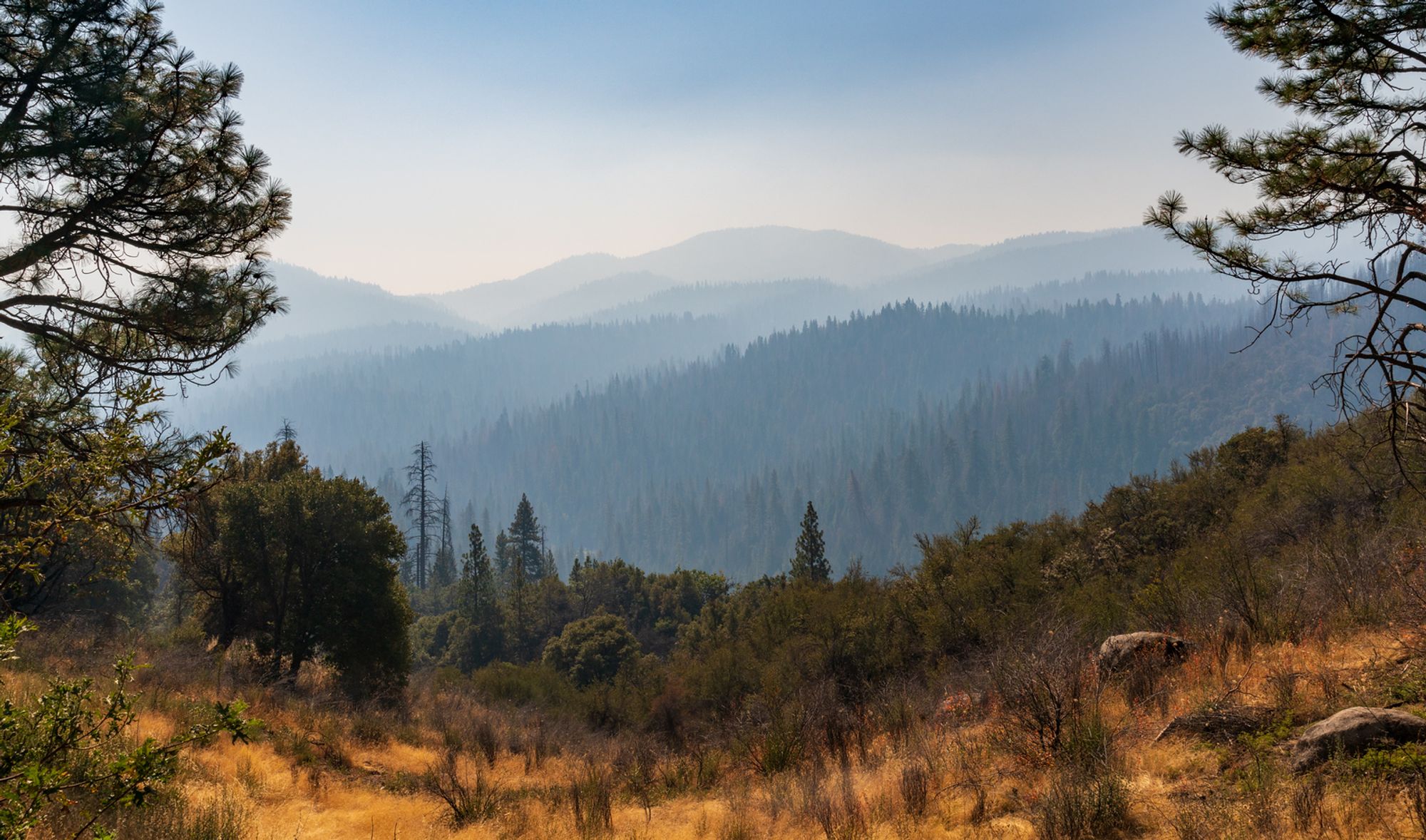
Black bears and mule deer are among Yosemite's mammals, but the park's wildlife extends well beyond these familiar animals. More than 400 vertebrate species use habitats ranging from foothill vegetation and forest to meadows and alpine rock. Forest edges provide both feeding areas and cover. Observe animals without approaching them, and do not plan on a particular sighting.
Contact Yosemite National Park
Use the official NPS contact page for visitor questions and the park's email form.
- General information: +1 209-372-0200; select 3, then 5. The published service hours are 9 a.m. to 4 p.m. Pacific time, with a lunch closure.
- Road conditions: Call the same number and select 1, then 1 for the latest recorded conditions.
- Postal address: Visitor Information Office, PO Box 577, Yosemite, CA 95389. This is a mailing address, not an entrance location.
 Temp max
 Temp min
 Rain
Rain
 Snow
Snow
