Capitol Reef National Park in Utah, USA - map, photos and visitor information
PDF
Capitol Reef National Park in south-central Utah brings together folded rock layers, canyon walks, and the orchards of historic Fruita. For a first visit, concentrate on the UT 24 corridor and Scenic Drive. This area lets you combine short stops with a hike without committing to the rough roads of Cathedral Valley or the southern Waterpocket District.
Photos of Capitol Reef National Park
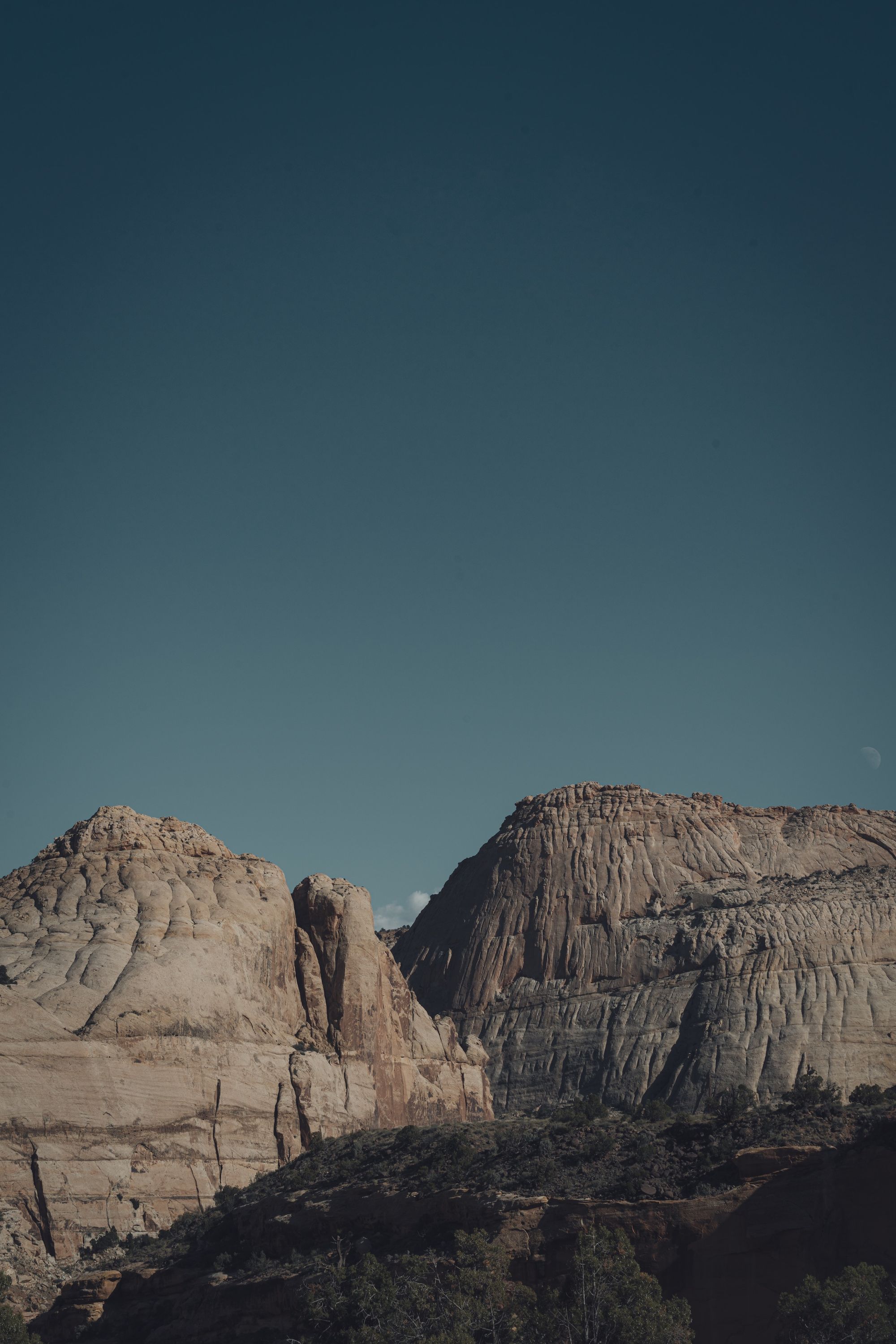
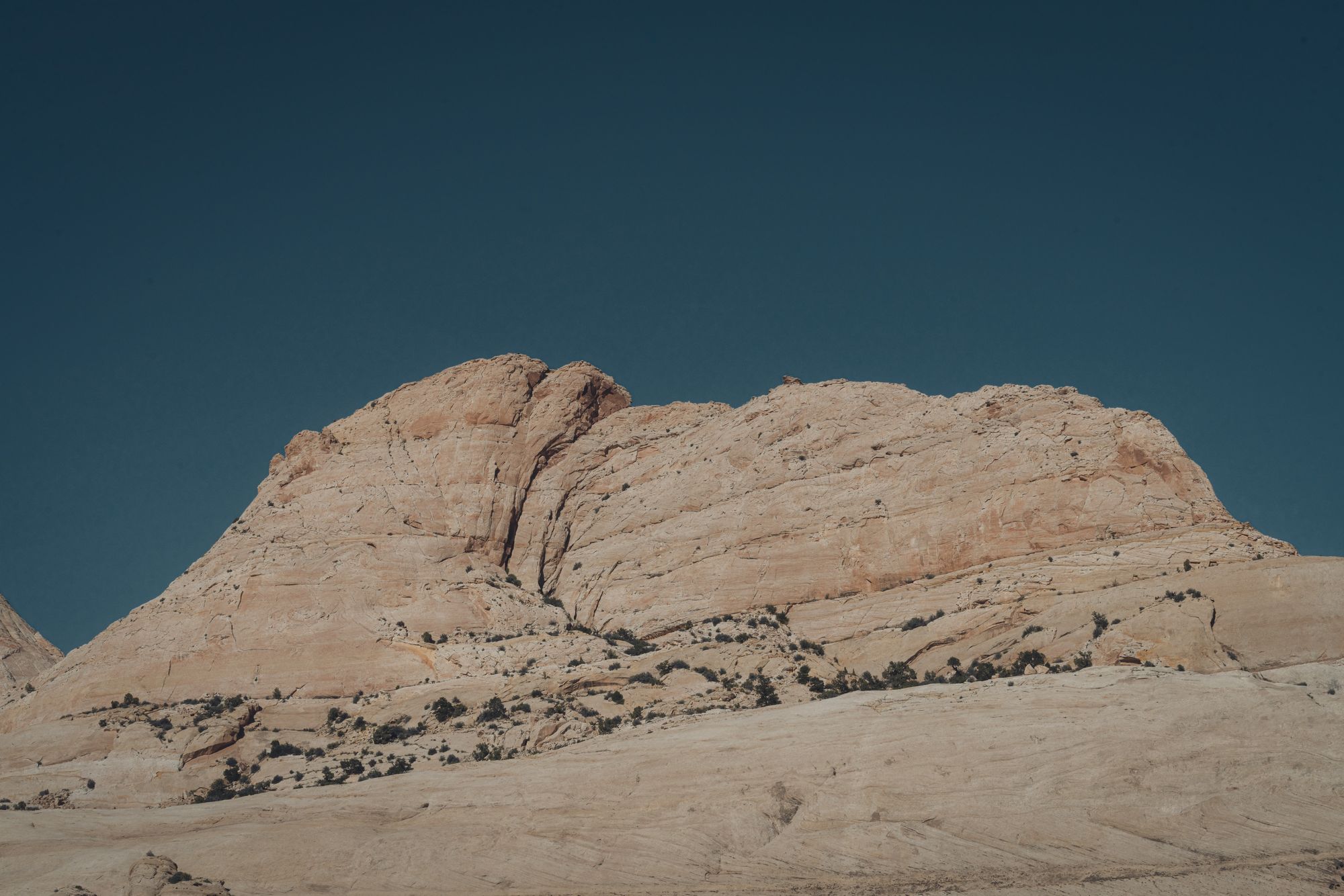
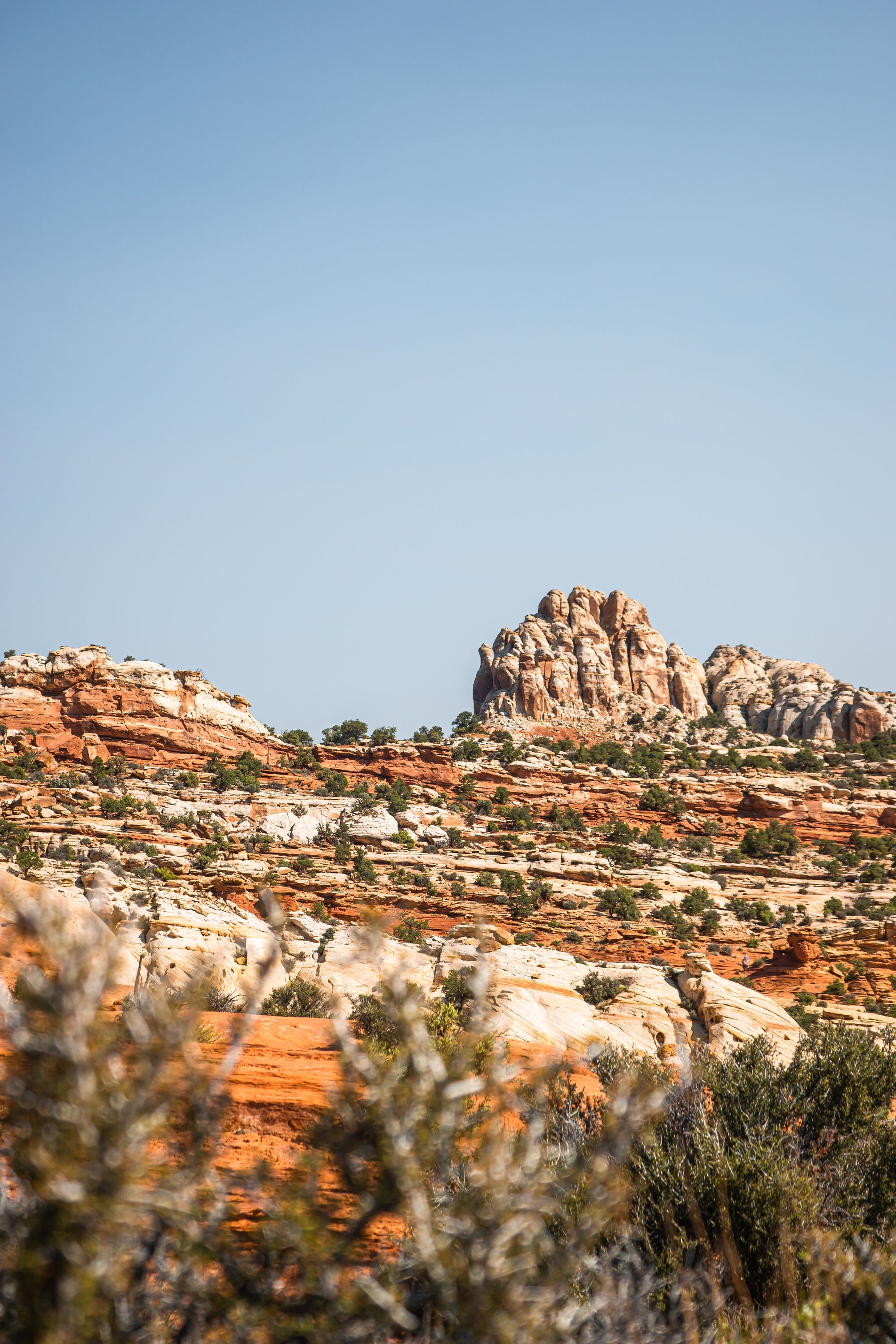
Highlights around Capitol Reef
- The Waterpocket Fold: tilted rock layers reveal the large fold that shapes the park. Scenic Drive gives a close view of this geology.
- Fruita: historic orchards and the schoolhouse show a different side of the desert landscape.
- Hickman Bridge: a moderate hike leads to a natural bridge, with canyon views along the way.
- Petroglyph panels: boardwalks beside UT 24 provide access to rock imagery left by people of the Fremont Culture.
Know before you visit
Fees, hours, and seasonal access
| Topic | Details |
|---|---|
| Entrance fees | The Scenic Drive fee area costs USD 20 per private vehicle. The individual fee for entry on foot or by bicycle is USD 10 for ages 16 and older. Driving through the park on UT 24 does not require an entrance payment. Fruita campsites cost USD 25 per night. |
| Opening hours | The park is open 24 hours a day, year-round. The visitor center has seasonal hours and some holiday closures. Gifford House normally operates from March 14 into late November, with daily hours of 9 a.m. to 4:30 p.m. |
| Seasonal access and closures | Snow, ice, mud, and flash floods can close roads. Orchard harvests depend on growing conditions. Gifford House is scheduled to close for the 2026 season on November 22. |
Review the official fees and pass options before arrival. Download a purchased digital pass in advance because connectivity in the park is limited.
Flash floods, heat, and rough roads
A dry canyon can flood even when the rain falls elsewhere. Check the forecast and ask at the visitor center before hiking a gorge. Choose a route outside canyons when thunderstorms are predicted. Carry one gallon of water per person per day, and plan summer walks for cooler hours. Trailheads do not have drinking water.
Remote roads need a separate check. Grand Wash and Capitol Gorge roads are closed. The park's road report lists the river ford, Hartnet Road, and Cathedral Valley as having unknown, likely impassable conditions. South Draw is not recommended. Ask for current crossing conditions before entering a remote district; a capable vehicle does not establish that a route is open. Check the road reports and park conditions shortly before departure; the recorded phone report can be more current than the website.
Care for rock art, soil, and orchards
Use established trails, leave rocks and artifacts where they are, and do not add marks to canyon walls. Historic inscriptions and petroglyphs are protected features. Fragile soil crust can be damaged by a single footstep. Keep at least 30 feet from wildlife and never feed animals.
Pets need a leash no longer than six feet. They are allowed on the path from the visitor center to Fruita Campground and on the Fremont River Trail only as far as the gate at the south end of Hattie's Field. Other hiking trails and the backcountry are off limits to pets. Campgrounds, specified picnic areas, and open orchards offer additional places to go with a dog.
Camping and activity permits
No timed-entry ticket or entrance reservation is required. Fruita Campground uses reservations throughout the year, with individual sites released up to six months ahead. Spring through fall can fill well in advance, so secure a site before building a camping itinerary around Fruita.
Overnight backpacking requires a free permit obtained at the visitor center. Canyoneering, rock climbing, and bouldering also require permits. The permit and reservation guide separates these activities from ordinary day visits.
Maps, location, and road access
The visitor center stands at the junction of UT 24 and Scenic Drive. Torrey lies on the western approach; travelers from the east reach the park through Hanksville on UT 24. Use this highway approach for the central visitor area. Navigation software can suggest South Draw from Boulder Mountain, but it is an unmaintained four-wheel-drive route, not an appropriate shortcut for a passenger car.
Scenic Drive is a 7.9-mile paved road, and you return by the same route. The unpaved Grand Wash and Capitol Gorge spur roads are closed; choose another stop until access resumes. Download the official park map and Fruita guide to distinguish the central roads from remote district routes.
Nearby parks along regional roads
- Anasazi State Park Museum: in Boulder on UT 12, south of Torrey. It is a practical stop when following the UT 12 route. Check exhibit availability while museum renovations continue.
- Goblin Valley State Park: reached from UT 24 on the eastern side of a Capitol Reef trip, with access toward the park from the Hanksville–Green River corridor.
Walks, orchards, and historic stops
Choose a walk by both distance and terrain. The park's trail guide gives most distances one way; the figures below include the return to the same trailhead.
- Sunset Point: about 0.8 miles round trip, with a broad view and less than 50 feet of listed elevation change.
- Hickman Bridge: about 1.8 miles round trip with 400 feet of elevation change. NPS rates it moderate.
- Cassidy Arch: about 3.4 miles round trip with 670 feet of elevation change. This strenuous route includes slickrock and is a larger commitment than the short viewpoints.
In Fruita, harvest fruit only in orchards displaying U-Pick signs. Fruit eaten inside an open orchard is free; weigh and pay for fruit you take away. Do not climb the trees. Picking tools and ladders are provided for use under the posted rules. Read the orchard regulations and harvest guidance before planning a picking stop, since not every orchard opens at the same time.
For a shorter visit, combine the petroglyph boardwalks with the schoolhouse and visitor center. Gifford House provides a seasonal stop focused on Fruita's settlement history. Ranger programs are posted locally when offered.
Visitor services and overnight facilities
Drinking water is available at the visitor center, picnic area, and Fruita Campground. The campground has flush toilets, a shared potable-water fill station, and an RV dump station. Individual sites have no water, sewer, or electrical hookups, and the campground has no showers. There is no park lodge or restaurant.
The visitor center has a ramped entrance, accessible parking, and accessible restrooms. The petroglyph boardwalks and part of the Fremont River Trail provide accessible outdoor options. Four Fruita campsites are designated for wheelchair users. The park also lends two all-terrain wheelchairs free on a first-come basis; ask staff about availability and suitable routes. Popular trailhead parking can fill, so keep an alternative stop in mind.
About Capitol Reef
Fremont heritage and the Fruita community
The region has supported human communities for thousands of years. People of the Fremont Culture farmed corn, beans, and squash, and left the rock imagery visible today. In the nineteenth century, Latter-day Saint settlers established farms and orchards in the area now preserved as the Fruita Rural Historic District.
The orchards remain part of that working landscape's history. Their care includes irrigation, pruning, and replanting. Beyond Fruita, the tilted layers of the Waterpocket Fold help explain why travel through this country has always depended on finding workable routes across it.
Animals around Fruita and the canyons
Mule deer are common around Fruita, while desert bighorn sheep use rocky country, including areas near Grand Wash and Capitol Gorge. Ringtails are present but seldom seen because they are active at night. The contrast between river vegetation and dry desert supports different wildlife communities. Observe animals from a distance even when they seem accustomed to people.
Contact Capitol Reef National Park
Call 435-425-3791 for recorded information and staff messages. In the phone menu, select visitor information and then the road report or fruit hotline for those updates. The official contact page provides email options.
Mail: Capitol Reef National Park, HC 70 Box 15, Torrey, UT 84775. For an in-person visit, go to the visitor center at UT 24 and Scenic Drive.
Average weather in Capitol Reef National Park
 Temp max |
 Temp min |
 Rain |
 Snow |
|
|---|---|---|---|---|
| Jan | 3 °C | -9 °C | 3 mm | 11 mm |
| Feb | 5 °C | -7 °C | 3 mm | 9 mm |
| Mar | 11 °C | -2 °C | 9 mm | 10 mm |
| Apr | 16 °C | 2 °C | 12 mm | 5 mm |
| May | 21 °C | 7 °C | 17 mm | 3 mm |
| Jun | 29 °C | 13 °C | 7 mm | 0 mm |
| Jul | 31 °C | 17 °C | 23 mm | 0 mm |
| Aug | 29 °C | 15 °C | 26 mm | 0 mm |
| Sep | 25 °C | 11 °C | 23 mm | 0 mm |
| Oct | 17 °C | 4 °C | 14 mm | 2 mm |
| Nov | 10 °C | -2 °C | 6 mm | 8 mm |
| Dec | 3 °C | -8 °C | 4 mm | 13 mm |
Other parks nearby

More parks in Utah
National parks in USA
User Reviews
Share your experience! Your honest feedback helps others make informed decisions.
Login to add new review