National and State Parks in Utah


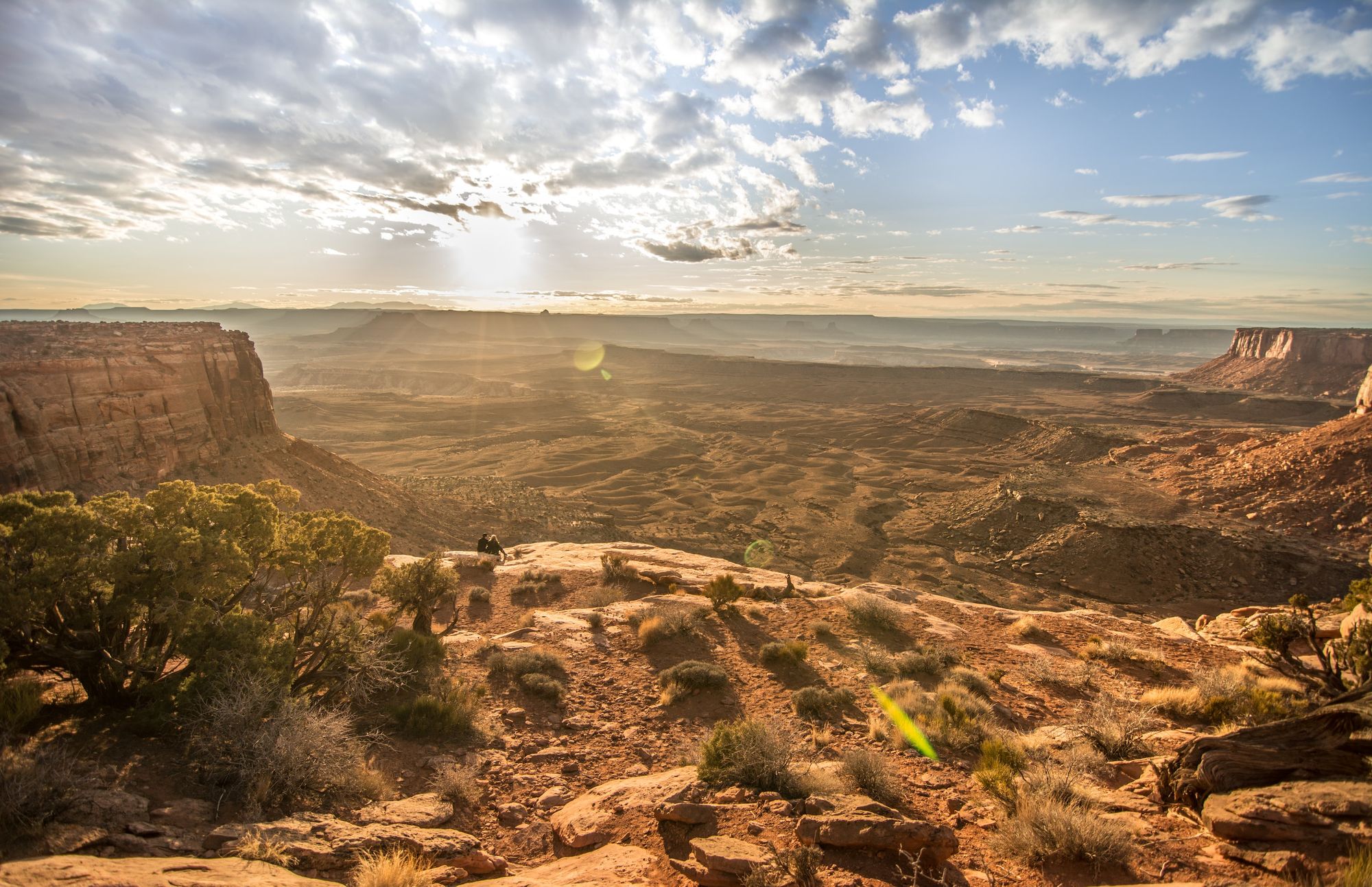


National parks in Utah offer sandstone arches, hoodoo-filled amphitheaters, canyon viewpoints and long stretches of desert scenery. The five national parks are a familiar road-trip goal, but each rewards a different amount of time and a different style of exploring.
State parks in Utah add unusual rock formations, camping and alternatives that can fit naturally between larger destinations. Use the map and listing to compare locations, then choose a route with enough time for the walks and viewpoints you want to enjoy.
How many parks in Utah you can find on Traveler Map?
- national historical park: 1
- national monuments: 7
- national parks: 5
- national recreation area: 1
- National Park Service sites: 4
- state parks: 44


Compare the five Utah national parks
Utah’s five national parks are Arches, Bryce Canyon, Canyonlands, Capitol Reef and Zion. They can form a longer road trip, but visiting all five is not the only way to have a rewarding Utah holiday.
| Park | Main reason to visit |
|---|---|
| Arches | Natural arches and sandstone formations near Moab |
| Bryce Canyon | Hoodoos and amphitheater viewpoints at higher elevation |
| Canyonlands | Canyon country with separate districts and very different access |
| Capitol Reef | Broad geological landscapes and time exploring around the main visitor area |
| Zion | Large sandstone canyon scenery and a range of walking options |
Check the NPS Utah directory for the official park information. In Canyonlands, roads do not connect the separate districts inside the park. Choose the district first rather than assuming every famous viewpoint and trail can fit into one quick visit.
Add a state park for a different landscape
Goblin Valley State Park offers sandstone formations with a different appearance from the arches and canyon overlooks on the usual national park route. It can make a worthwhile destination in its own right when you leave enough time to explore on foot.
The official Goblin Valley guide explains walking, camping and current conditions. If you are considering nearby canyon routes, check the weather and the relevant access guidance separately; a state park stay is not a complete plan for every surrounding canyon.
Use the Utah State Parks finder to compare other options along your route. Check campground services and permitted activities for the individual park.
Choose the season and bookings together
Elevation matters in Utah. Bryce Canyon can have very different conditions from a lower desert outing, even on the same day. Compare forecasts and seasonal road access for each stop, and adjust the length of exposed walks accordingly.
Entry arrangements, shuttles, popular trail permits and campsite reservations can be separate. Check current requirements for your travel dates before fixing the sequence of parks. An entrance pass should not be treated as a reservation for a specific hike or visit time.
Build a shorter route if time is limited
For a few days, focus on the Moab area or a smaller southwestern Utah itinerary. With more time, extend toward the other parks and allow full travel days where needed. Choose overnight bases around the walks that need an early start, then leave the remaining stops flexible.