Geysers and wildlife valleys
- Old Faithful: watch from the designated viewing area, then explore the Upper Geyser Basin boardwalks. Check the next eruption prediction rather than assuming a fixed interval.
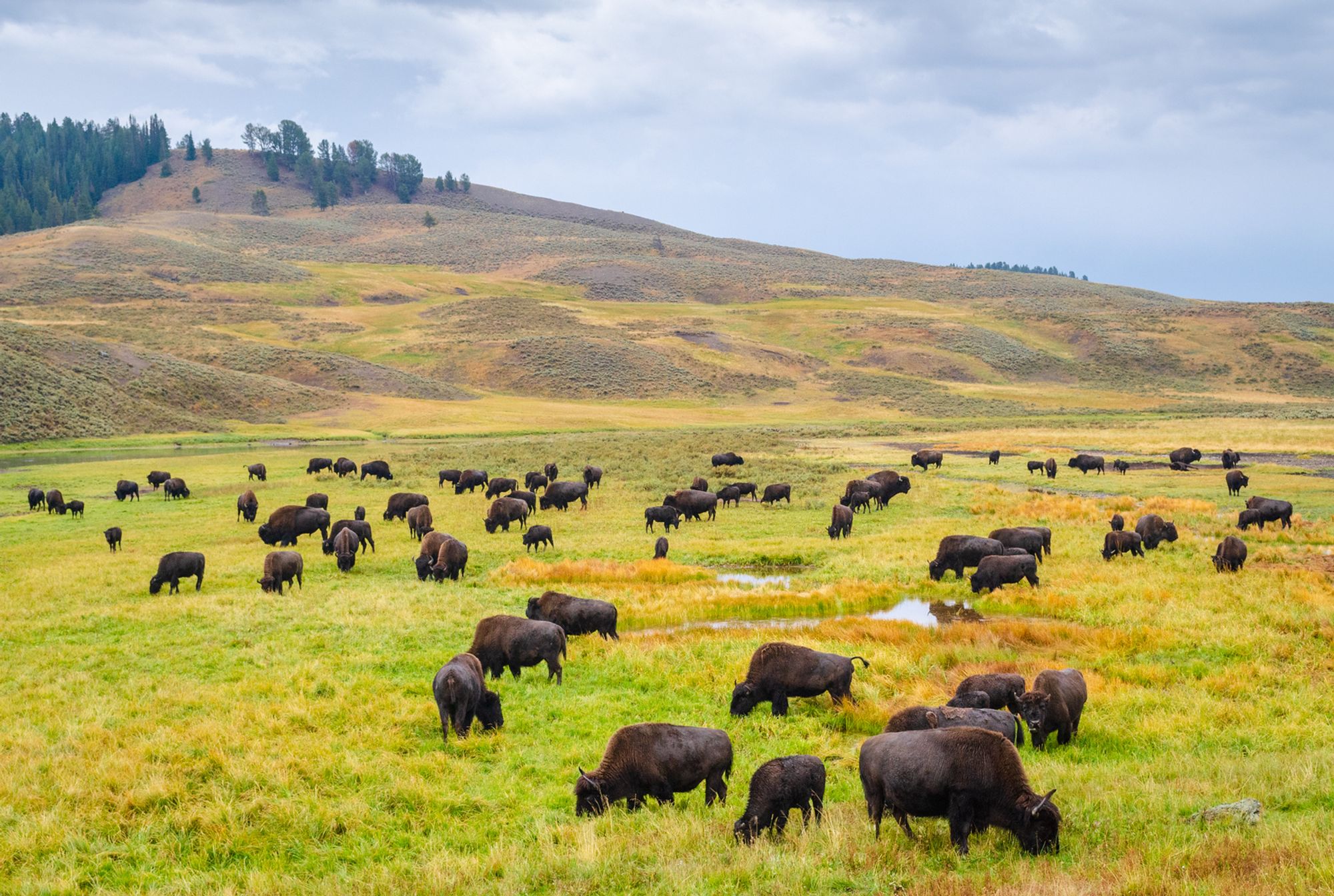
- Lamar and Hayden valleys: look for bison from legal pullouts. Seasonal movement affects what you may see.
- Different areas for different days: focus on one part of the park instead of spending most of your visit driving between distant stops.
Plan around roads and seasons
Fees, hours, and seasonal access
| Topic | Details |
|---|---|
| Entrance fees | USD 35 per private vehicle for seven consecutive days. Non-U.S. residents age 16 and older pay an additional USD 100 per person unless covered by an eligible annual or America the Beautiful pass. Grand Teton has a separate fee. Check the entrance fee rules for your group. |
| Opening hours | There is no general daily closing time where entrances are accessible. Visitor centers and other facilities have separate hours. |
| Seasonal access and closures | The Gardiner–Tower Junction–Cooke City road is generally open to regular vehicles year-round. Most interior routes have a projected October 31, 2026 closure. Beartooth Highway is closed for the season. Confirm road conditions before departure because weather can change these plans. |
Thermal ground and wildlife
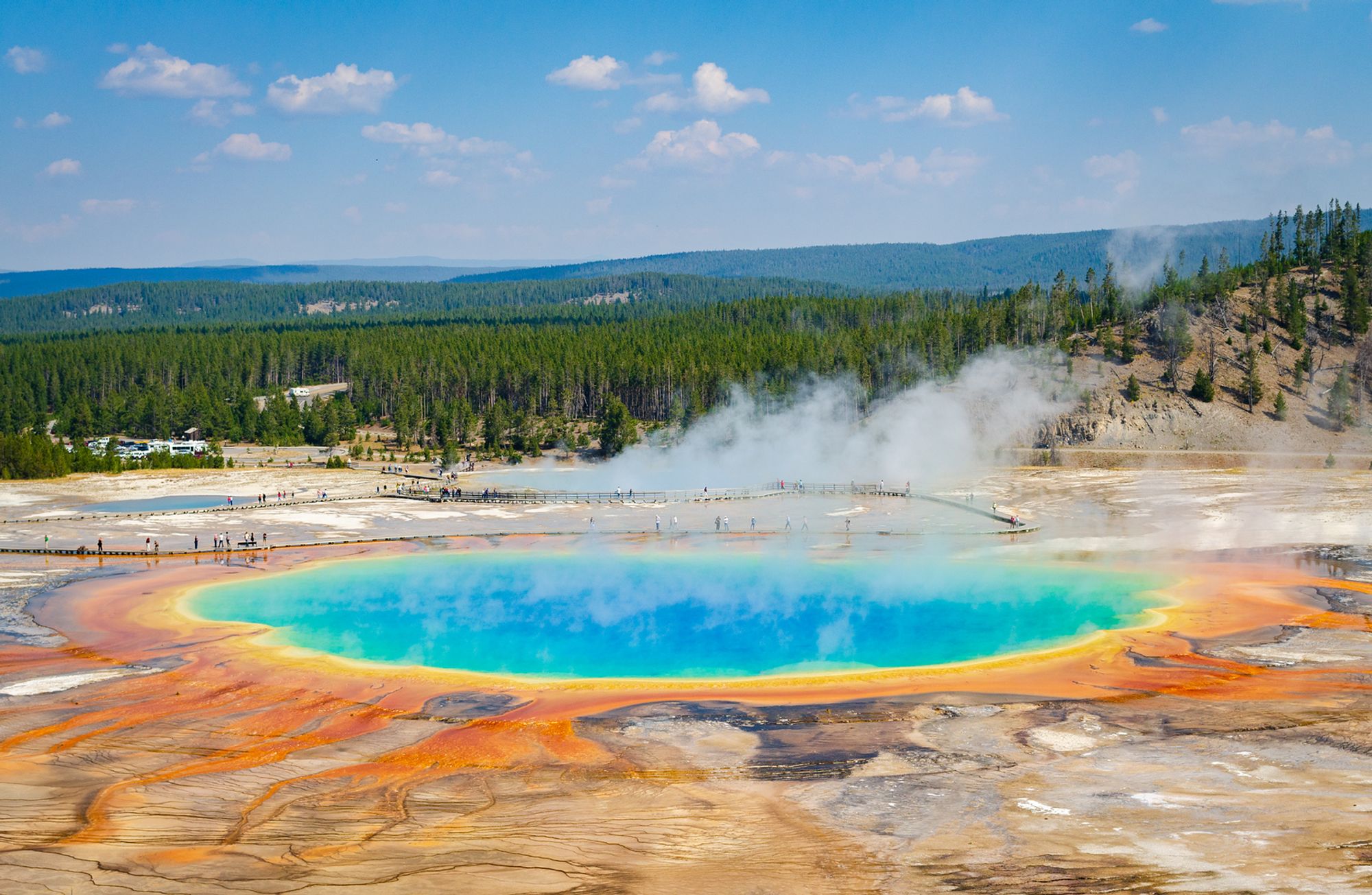
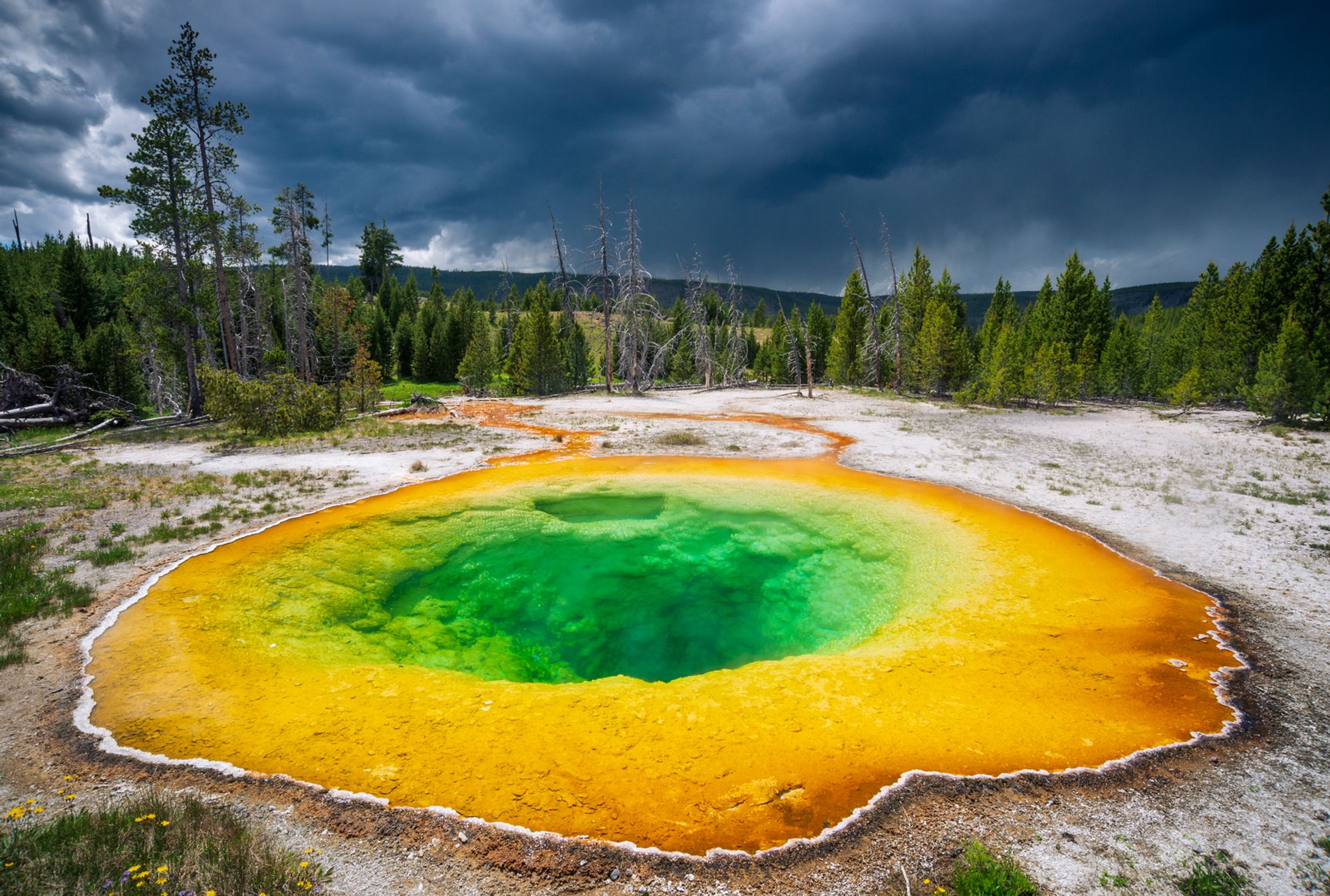
Stay on designated walks in thermal areas. Thin crust can break over scalding water. Do not touch hot springs or their runoff, and keep children close.
Remain at least 100 yards from bears, wolves, and cougars, and 25 yards from other wildlife, including bison and elk. Back away if an animal approaches. Carry bear spray within reach when hiking and learn its use before setting out. Never feed wildlife or leave food unattended.
Use designated routes and stopping places
Pull fully into designated parking areas to watch wildlife. Pets may use permitted developed areas near roads, parking, and campgrounds, on a leash no longer than six feet. Keep them attended. Trails and thermal boardwalks exclude pets, even when carried.
Entry, campsites, and permits
Ordinary entry does not require a vehicle reservation. Campground reservations are separate from admission. The campground guide explains booking; Mammoth uses first-come, first-served sites from October 15 through April 1. Overnight parking in roadside pullouts is prohibited.
Overnight backcountry stays require permits throughout the year. A reserved site does not replace the issued permit. Day hiking does not require this overnight permit.
Choose the right entrance
Yellowstone has five entrances, and travel between them can take hours. Use the official park maps to match your base with open roads. A generic park pin does not establish a usable entrance.
No public transportation system operates within the park. Arrange a vehicle or commercial transport and allow time for wildlife traffic and construction. Carry detailed topographic maps for backcountry trips.
Parks on the southern and western approaches
Grand Teton National Park lies south through the South Entrance and John D. Rockefeller, Jr. Memorial Parkway when the route is open. Henrys Lake State Park, near Island Park in Idaho, is an option west of Yellowstone. Choose according to your entrance; neither is a short side trip from every base inside the park.
Make time to stop and explore
At Old Faithful, get the eruption prediction from the visitor education center or NPS App before walking through the basin. Allow time for waiting as well as walking.
Use binoculars for wildlife viewing in the valleys. River corridors also offer birdwatching opportunities, including ospreys. For a hiking day, ask about conditions before selecting a route beyond the developed areas.
Services and accessibility vary by location
The park has visitor centers, toilets, parking, campgrounds, lodges, stores, and food outlets. Each has its own season. Albright Visitor Center at Mammoth is listed year-round, while many services close between summer and winter operations.
Fishing Bridge RV Park offers full hookups for hard-sided camping units. Confirm drinking-water service at your actual campground, especially outside summer; a facility listing does not establish that every tap remains in service.
The accessibility guide describes specific parking areas, toilets, and approaches. Gibbon Falls has an accessible vault toilet. Madison Information Station has a downhill approach. Check individual destinations rather than assuming all walks have the same access conditions.
About Yellowstone
Human history before and after 1872
Yellowstone became a national park in 1872. Human connections extend back at least 11,000 years, and 27 Tribes have ties to this landscape. Its history includes continuing Indigenous relationships as well as later visitor development.
Observe animals at a distance
Bison use the Lamar and Hayden valleys, while ospreys occur along rivers. Habitat and seasonal movement shape viewing opportunities. Keep food secured and use optics instead of moving closer.
Visitor and road information
Recorded visitor information: 307-344-7381. Road information: 307-344-2117. The park contact page lists other offices. Mail goes to PO Box 168, Yellowstone National Park, WY 82190-0168.
 Temp max
 Temp min
 Rain
Rain
 Snow
Snow

